Ribeiro Berta
Main achievement
One of the most powerful anthropologists in Brazil
About
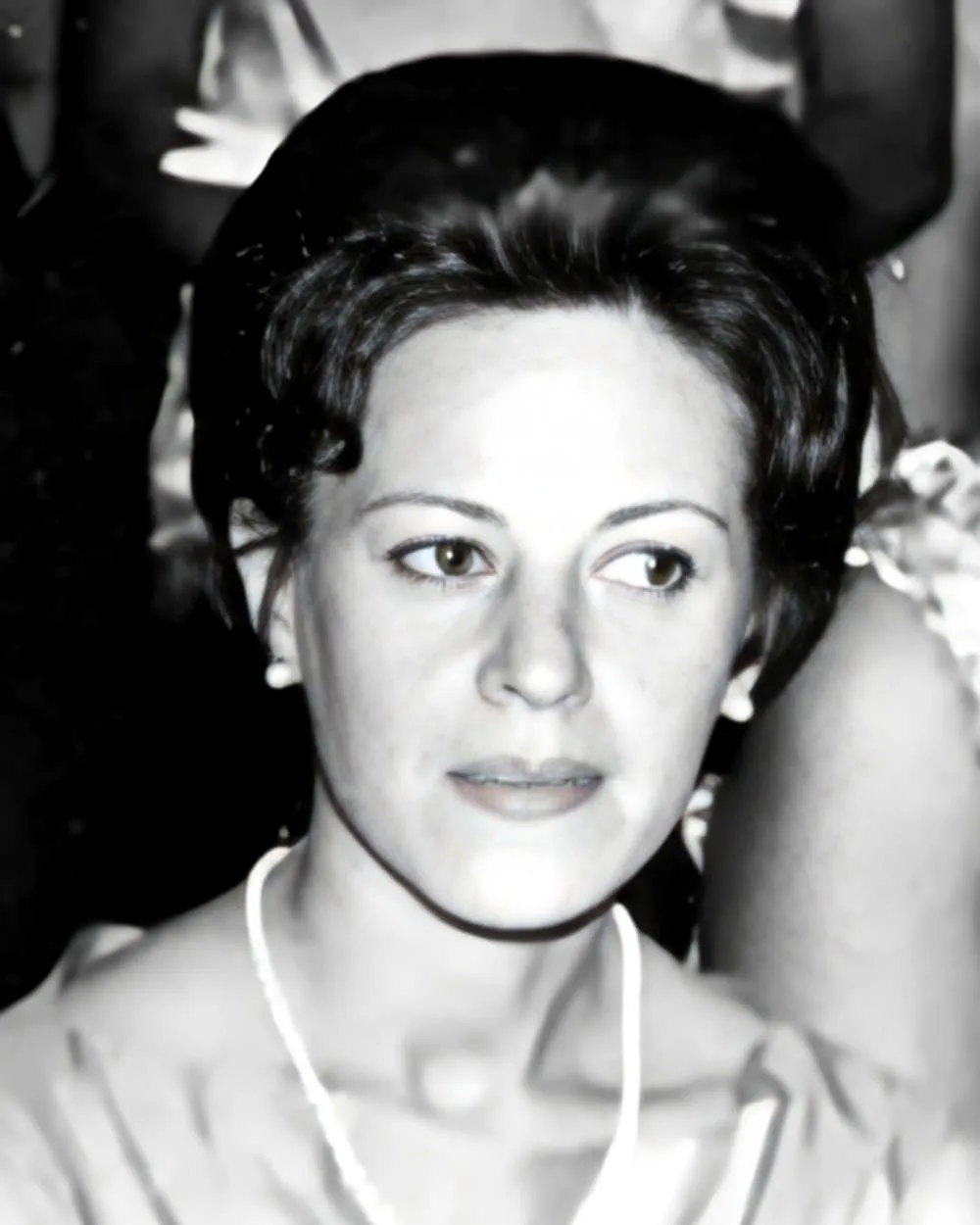
Berta Gleizer Ribeiro, born on October 2, 1924, in Bălți, Bessarabia (present-day Republic of Moldova), was a renowned anthropologist, ethnologist, and museologist, becoming one of the most important voices in the study of the material culture of indigenous peoples in Brazil. Of Jewish origin, she emigrated in 1932 to Rio de Janeiro with her sister, after the tragic loss of her parents in the context of growing antisemitism in interwar Romania. Trained in geography and history at the State University of Rio de Janeiro (UERJ), and later earning a doctorate in social anthropology from the University of São Paulo (USP) in 1980 with the thesis "A Civilização da Palha," her career focused on ethnobiology, indigenous art, basketry, ceramics, and traditional technologies, developing innovative methods for classifying indigenous cultural objects. Her achievements include fundamental works such as "Bases para uma Classificação dos Adornos Plumários dos Índios do Brasil" (1957), "Arte Plumária dos Índios Kaapor" (co-authored with Darcy Ribeiro) – awarded by the Brazilian Academy of Letters – and "Dicionário do Artesanato Indígena". She conducted extensive fieldwork among indigenous groups such as Kadiwéu, Kaiowá, Terena, Yawalapiti, Desana, and Tukano, in regions like Pantanal, Xingu, and Rio Negro, collaborating with institutions such as the Museu Nacional (UFRJ), where she taught postgraduate courses on indigenous art and material culture, Museu do Índio, Editora Paz e Terra, and the Conselho Nacional de Pesquisas (CNPq). She organized international exhibitions and edited the first book by an indigenous author ("Antes o mundo não existia" with Desana), promoting their rights and traditional knowledge. Married in 1948 to anthropologist and senator Darcy Ribeiro, with whom she shared expeditions and intellectual collaborations until their divorce in 1974, Berta built an independent career, marked by political exile in Latin America and commitment to ecological sustainability through the lens of indigenous technologies. She received distinctions such as the National Order of Scientific Merit in 1995, and her legacy – visible in publications like the volumes of "Suma Etnológica Brasileira" – continues to inspire global anthropology. She passed away on November 17, 1997, in Rio de Janeiro, leaving an example of resilience and dedication to the recognition of women in social sciences.