 Sciences
Pocora Maria
Main achievement
The first female geologist in the Republic of Moldova
About
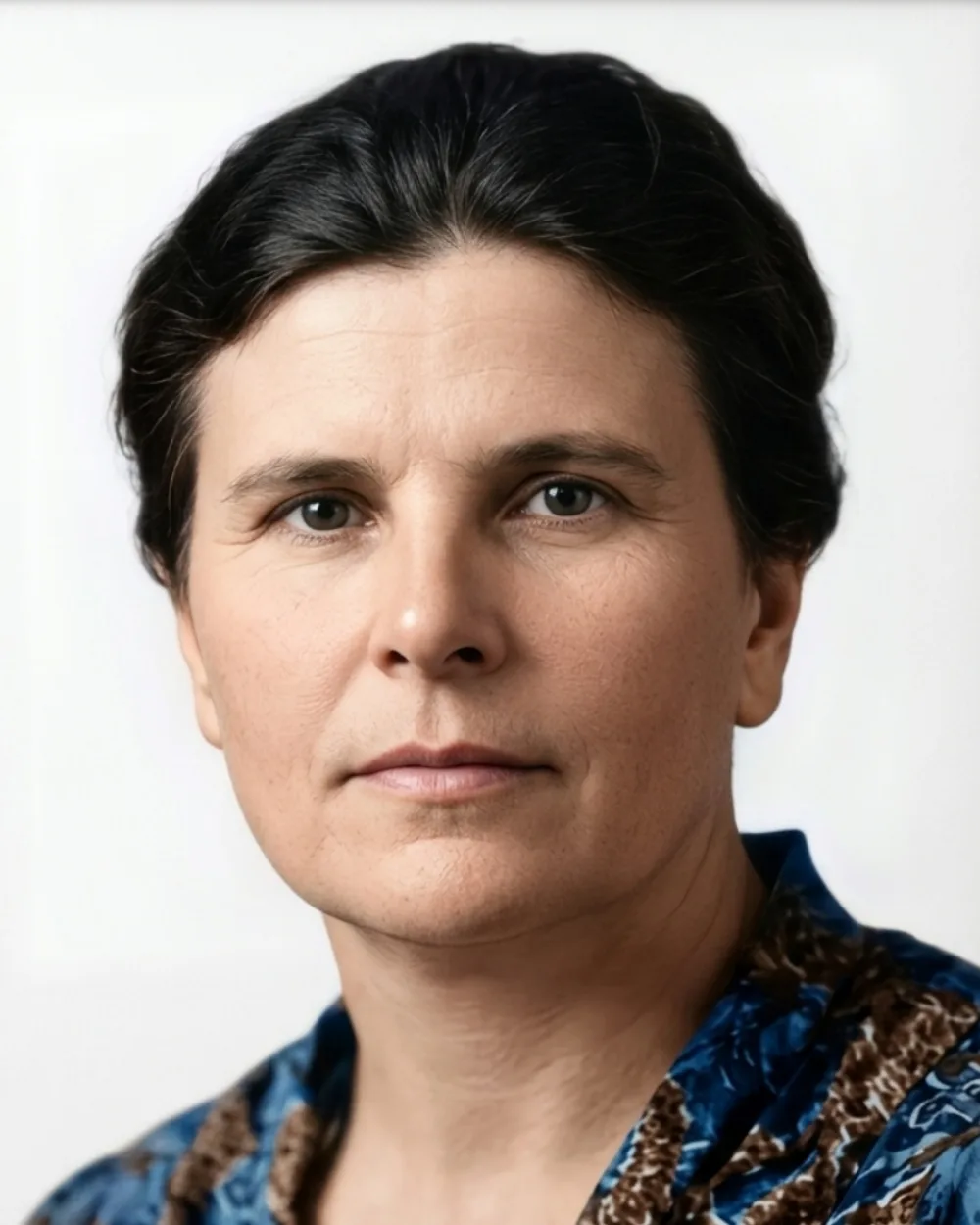
Maria Pocora (September 1, 1884 – April 7, 1933) was the first female geologist from Bessarabia and one of the few female researchers who, through their work, opened up a scientific field long considered to be reserved for men. Born in the village of Bușăuca, Orhei district, into a family of priests, she attended High School for Girls No. 3 in Chișinău, then the courses of the Natural Sciences Section of the Physics and Mathematics Faculty at the Higher Women's Courses in Odesa, where she distinguished herself through her interest in geology, mineralogy, crystallography, and paleontology. In 1916, she was awarded the First Degree Diploma based on her scientific thesis, confirming her professional value in a highly complex field. After returning to Bessarabia, Maria Pocora collaborated from 1921 with the Geological Institute of Romania, and from August 1922 she was employed as a geologist at the National Museum in Chișinău. Between 1922 and 1928, she conducted pedological, geological, and hydrological studies in numerous areas of Bessarabia, including Cetatea Albă, Hotin, Tighina, Lăpușna, Orhei, Bălți, and Soroca, contributing to the mapping of soils and the understanding of the region's geological structure. She also worked as an assistant at the geology and geography departments of the Imperial Novorossiysk University in Odesa between 1916 and 1920, and her research was used in the scientific circles of the time. She is mentioned in contexts dedicated to the history of science in interwar Chișinău and in the materials of the National Museum of History of Moldova, which preserves her memory as a specialist and museographer. Little is known publicly about her personal life, but it is known that she came from a family of priests and that she remained in the collective memory mainly through her dedication to science and the seriousness with which she carried out her profession. After her death, she was buried in the Central Orthodox Cemetery in Chișinău, and her name remained present mainly in specialized studies and historical evocations dedicated to women who changed the destiny of Bessarabia. Her legacy is linked to the beginnings of applied geology in the space between the Prut and Dniester rivers and to the affirmation of women in scientific research, in an era when their access to studies and academic careers was still limited.