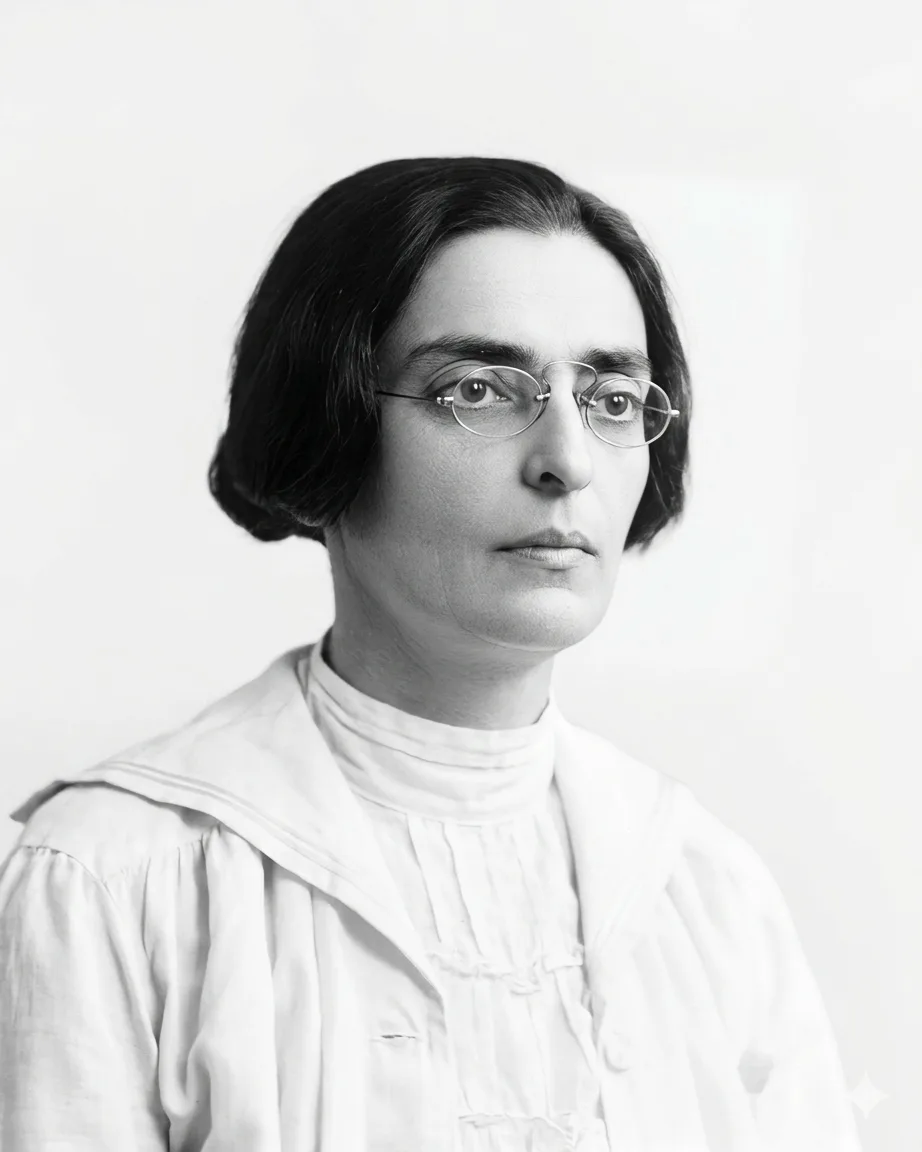
Ian Ira
Main achievement
Among the first female painters from Palestine
About
Esther Yoselevitch Slepyan, known by the pseudonym Ira Jan, was born on February 2, 1869, in Chișinău, Bessarabia, into a Jewish family of Romanian origin. Her father, Joseph Yoselevitch, was an influential lawyer, and at the age of sixteen, recognizing his daughter's artistic talent, he sent her to study at the Moscow Art Institute, an unusual decision for the time in Jewish circles. After graduating, Jan continued her studies in Paris under the guidance of artist Raphael Collin, and in Bulgaria, she opened a private art studio in Sofia, where she taught not only painting techniques but also the theory of art's role in society, being the first to introduce the teaching of drawing and painting from a live model in Bulgaria. Her artistic activity intersected with her involvement in the Russian revolutionary movement, a period during which she married the bacteriologist Dmitry Slepian and became the mother of a daughter, Elena. After the Kishinev pogrom of 1903, the artist's life changed radically upon meeting the poet Chaim Nahman Bialik, this emotional connection being the turning point on her path to Palestine. In 1908, invited by Boris Schatz, Jan settled in Jerusalem, where she worked at the Bezalel School of Arts and Crafts and became part of the circle of Hebrew intellectuals. Besides her artistic activity of painting scenes from Jerusalem life, Jan translated major works by Bialik from Hebrew into Russian, including "The Song of the Flame" and the poem "The Dead of the Desert." Alongside Rachel Yanait Ben-Zvi and Yitzhak Ben-Zvi, she contributed to the founding of Rehavia Gymnasium, the first Hebrew educational institution in the city. To support her daughter and continue her artistic work, she taught drawing at Herzliya Gymnasium in Tel Aviv, where her students included the future painter Nachum Gutman. Deported to Egypt in 1917 following an order from the Ottoman authorities, Jan suffered exile in harsh conditions, contracting tuberculosis which weakened her health. Upon her return to Palestine in 1919, she discovered with horror that her large-sized paintings, hidden before deportation in the attic of an official from the Jewish Colonial Association, had disappeared. This loss crushed her spirit, and on April 24, 1919, in Tel Aviv, Ira Jan died from tuberculosis and the melancholy caused by the loss of her life's work, being buried at the Trumpeldor Cemetery in Tel Aviv.