 Opera
OperaBieșu Maria
Main achievement
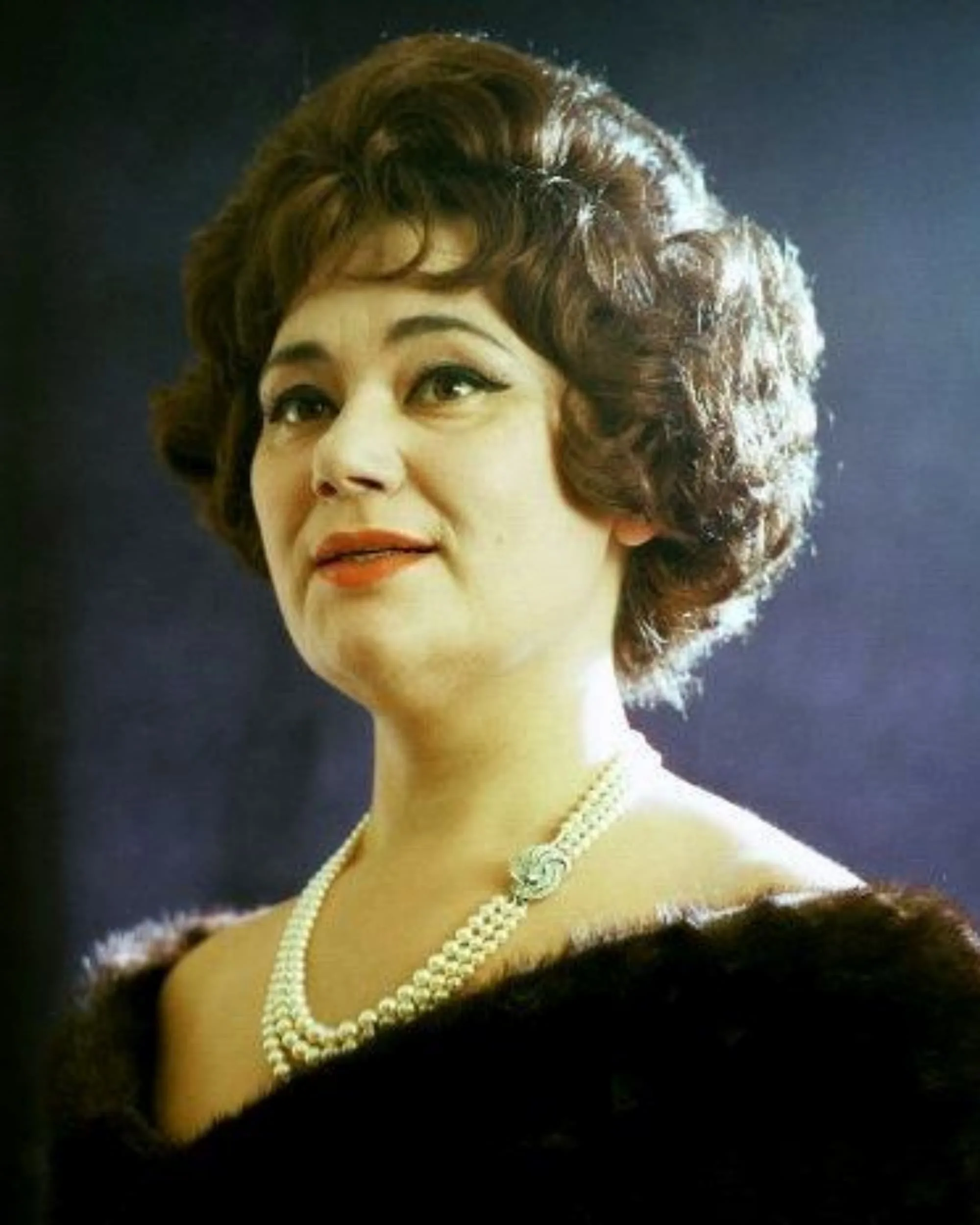
Soprano. Vice President of the World Union of Musicians in Moscow. Founder of the "Maria Bieșu Invites" International Opera and Ballet Festival
About
Maria Bieșu was born on August 3, 1935, in the village of Volintiri, Ștefan Vodă district, into a peasant family who loved music. After demonstrating her vocal talent at amateur competitions, the Minister of Culture and professors from the Chișinău Conservatory recommended that she pursue formal studies. In 1961, she completed her studies and joined the Chișinău Opera and Ballet Theatre, debuting on April 28, 1962, in the title role of Puccini's "Tosca", replacing the lead actress who had fallen ill. From 1965 to 1967, she underwent advanced training at the renowned La Scala Theatre in Milan under the guidance of teacher Enrico Piazza, where she consolidated her repertoire in Italian and Russian with roles from operas by great composers such as Verdi and Puccini. Maria Bieșu's international career was marked by remarkable successes and numerous distinctions. In 1966, she won Third Prize at the International Tchaikovsky Competition, and in 1967, she obtained the title of "The Best Cio-Cio-San in the World" at the Miura Tamaki International Competition in Tokyo. She performed on the stages of opera houses in Berlin, Paris, Vienna, Bucharest, Warsaw, Moscow, Leningrad, and in 1971, she made her debut at the Metropolitan Opera in New York. Her talent and dedication transformed the Chișinău Opera and Ballet Theatre into a prestigious center of opera music in the Soviet Union, and she was honored with titles such as People's Artist of the USSR (1970), Hero of Socialist Labor (1990), and the Order of the Republic of Moldova (1992). The artistic and cultural legacy of Maria Bieșu goes beyond her masterful performances of roles in universal operas. In 1990, she initiated the "Maria Bieșu Invites" International Opera and Ballet Festival, an annual event that turned Chișinău into one of the capitals of opera music in Europe. Maria Bieșu passed away on May 16, 2012, at the age of 76, and the Government of the Republic of Moldova decided to name the Opera and Ballet Theatre after her. Through her talent and contribution to the development of lyrical art, she wrote a page in the history of world opera and became a symbol of Moldovan culture.