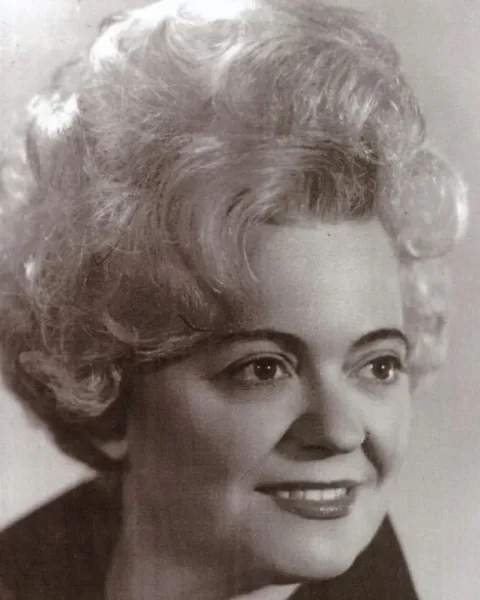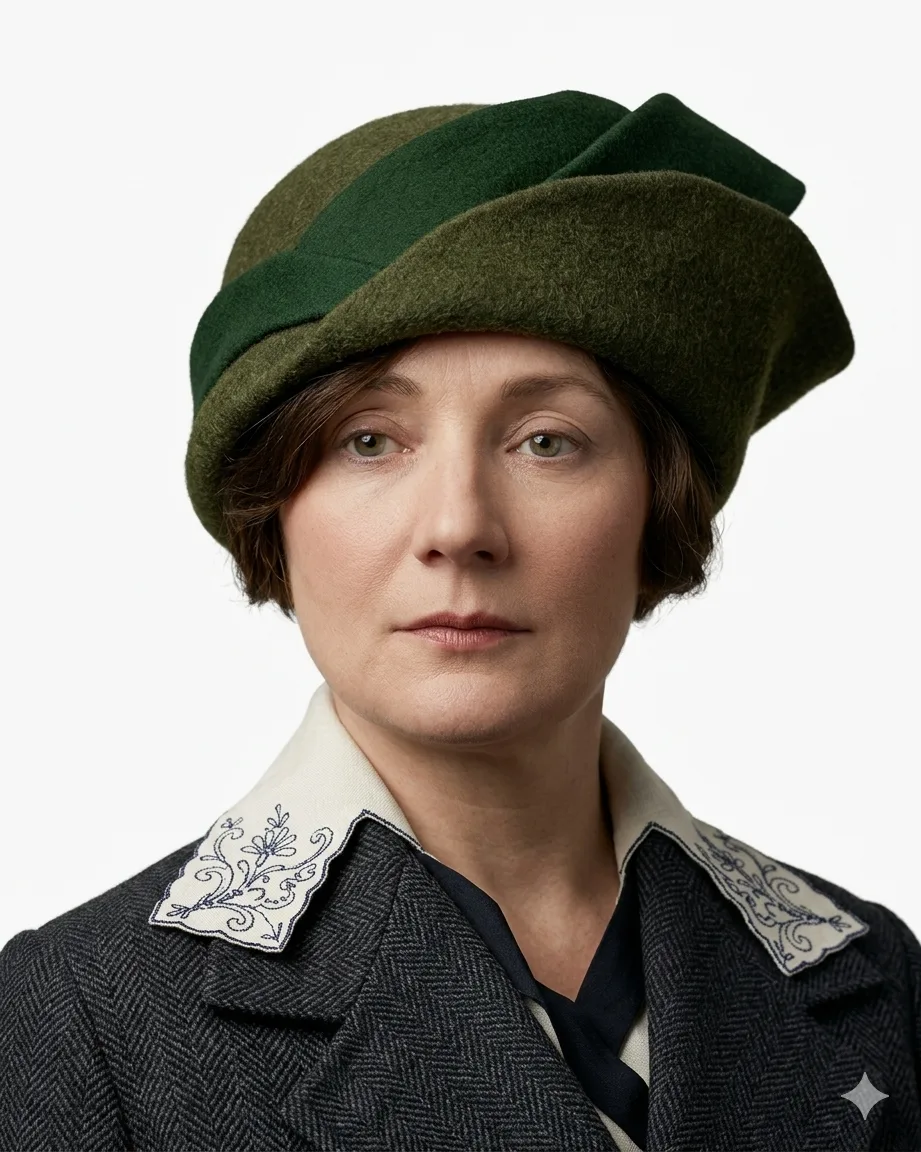
Arbore Ecaterina
Main achievement
Publicist
About
Ecaterina Arbore was a Romanian publicist and socialist activist, a doctor by profession, who distinguished herself in journalism and publicistic activity in the interest of the working class and women. Born in 1873 in Geneva, and trained as a doctor in Bucharest and Saint Petersburg, she combined her professional commitment in medicine with her political and editorial one, becoming one of the first female publicist voices in the context of Romanian and Bessarabian society at the beginning of the 20th century. Among her notable achievements in the press are her collaboration with the newspaper România muncitoare and the magazine Amicul copiilor, as well as the publication of revolutionary articles in the magazine "Basarabia Roșie" (Krasnaia Bessarabia), in which she advocated for workers' rights, education, and women's emancipation. Within the Moldavian Soviet Socialist Republic, Ecaterina Arbore became an editor of Romanian-language communist publications, exerting considerable influence in shaping public opinion and promoting social and educational reform policies. In this capacity, she advocated for the transition to the Latin alphabet in Moldavian schools and institutions, contributing to the standardization of Romanian writing and the modernization of mass education in the Autonomous Region and later the Moldavian Soviet Socialist Republic. Her journalistic activity was closely linked to her socialist commitment: she used the press as a tool to denounce social inequalities, promote organized labor, and educate working women. On a personal level, Ecaterina Arbore came from an intellectual and republican family, the daughter of Zamfir Ralli-Arbore, and her life was dominated by political commitment and mobility between Switzerland, Romania, Russia, and the Moldavian territory. After joining the socialist movement during her student years and becoming a member of the Romanian Communist Party in 1919, she lived and worked in the Soviet Union, where she served as Commissar of Public Health and a lecturer at the Communist University for National Minorities of the Western Regions "Julian Marchlewski". In 1937, during the Great Purge, she was arrested and executed by the Soviet authorities, and was rehabilitated during the de-Stalinization period. Her written testimony, memoirs published in the magazine "Proletarian Revolution," as well as journalist Panait Istrati's recordings about her, highlight the close relationship between her journalism and a life dedicated to the struggle for social rights.