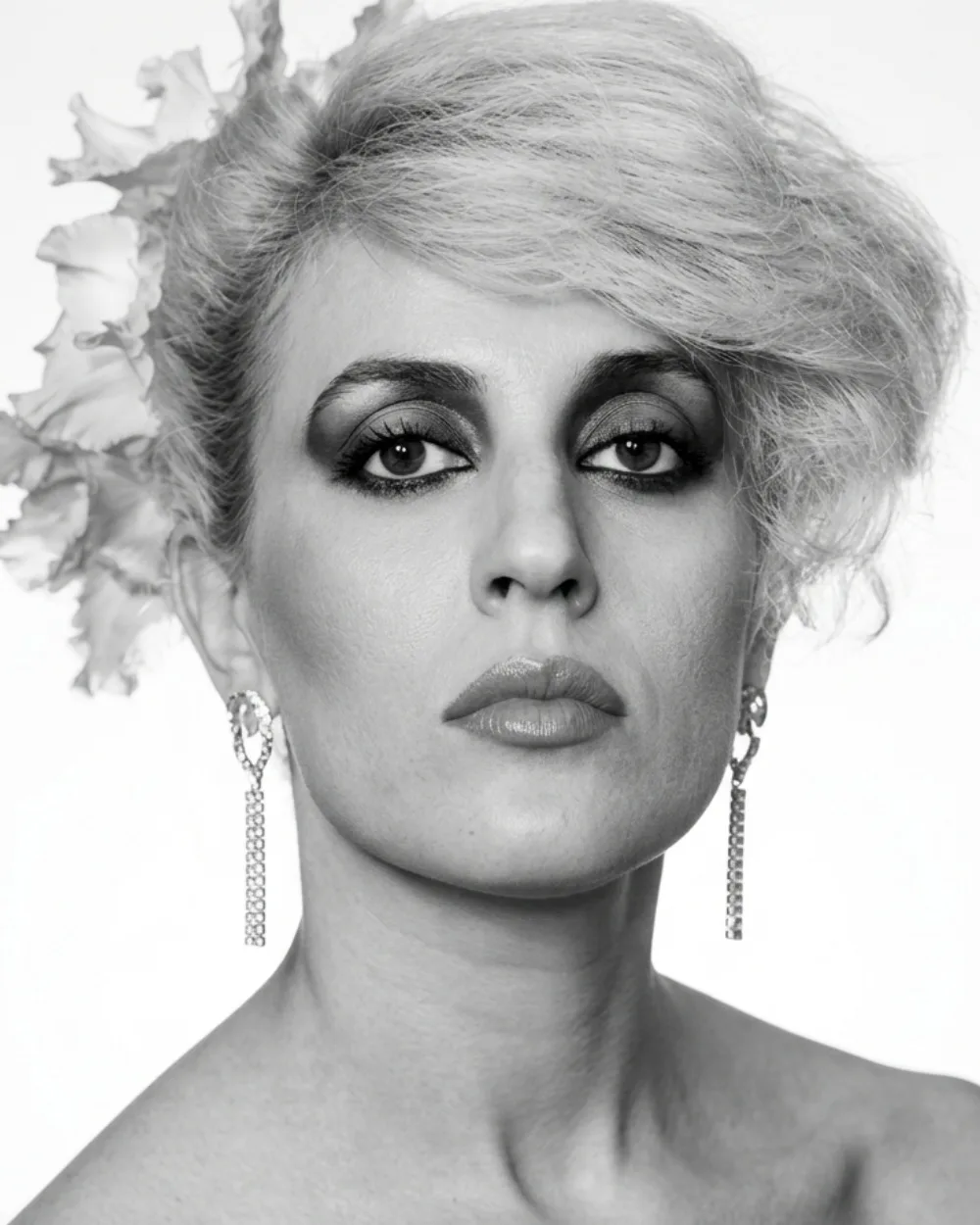
Aldea Teodorovici Doina
Main achievement
Singer. Known for her songs from the period of the National Liberation Movement. Decorated with the Order of the Republic.
About
Since 1982, Doina discovered another side of her talent, that of a pop singer. From this year on, she was inseparable both in life and on stage from composer and singer Ion Aldea-Teodorovici. In 1985, she participated as part of the cultural program in the school for young scientists, which took place in Vadul lui Vodă alongside poet Grigore Vieru. In 1988, she was a professor of world literature at the Academy of Music, Theatre and Fine Arts in Chișinău. She was the lead singer of the band "DIATE". In 1989-1990, together with Ion, she performed in all cities and villages of Moldova, as well as in Romania: in Bucharest, Cluj-Napoca, Brașov, Suceava, Iași, Botoșani, Focșani, Bârlad, etc. In 1991, together with her husband, she won the press prize at the "Mamaia - 91" National Pop Music Festival. In 1992, she was the protagonist of the film "Dragostea ce mișcă sori și stele" (The Love That Moves Suns and Stars) and in the same year, together with Ion, she received a diploma at the "Cerbul de aur" (Golden Stag) Festival in Brașov. Participating in all the events that marked the process of national revival of the people, releasing deeply patriotic songs such as "Suveranitate" (Sovereignty), "Sfântă ni-i casa" (Holy is our home), "Mănăstirea Căpriana" (Căpriana Monastery) and others, singer Doina text Aldea-Teodorovici had become a symbol of Moldova. In May 1992, together with Ion and poets Grigore Vieru, Adrian Păunescu, and Andrei Păunescu, she performed for the fighters in the Dniester (Nistru) War, and later during 1992, she was awarded the title of Emeritus Artist of the Republic of Moldova. On the night of October 29 to 30, 1992, Doina and Ion died in a tragic accident. In 1993, Doina Aldea-Teodorovici was posthumously awarded the Order of the Republic.