 Theatre
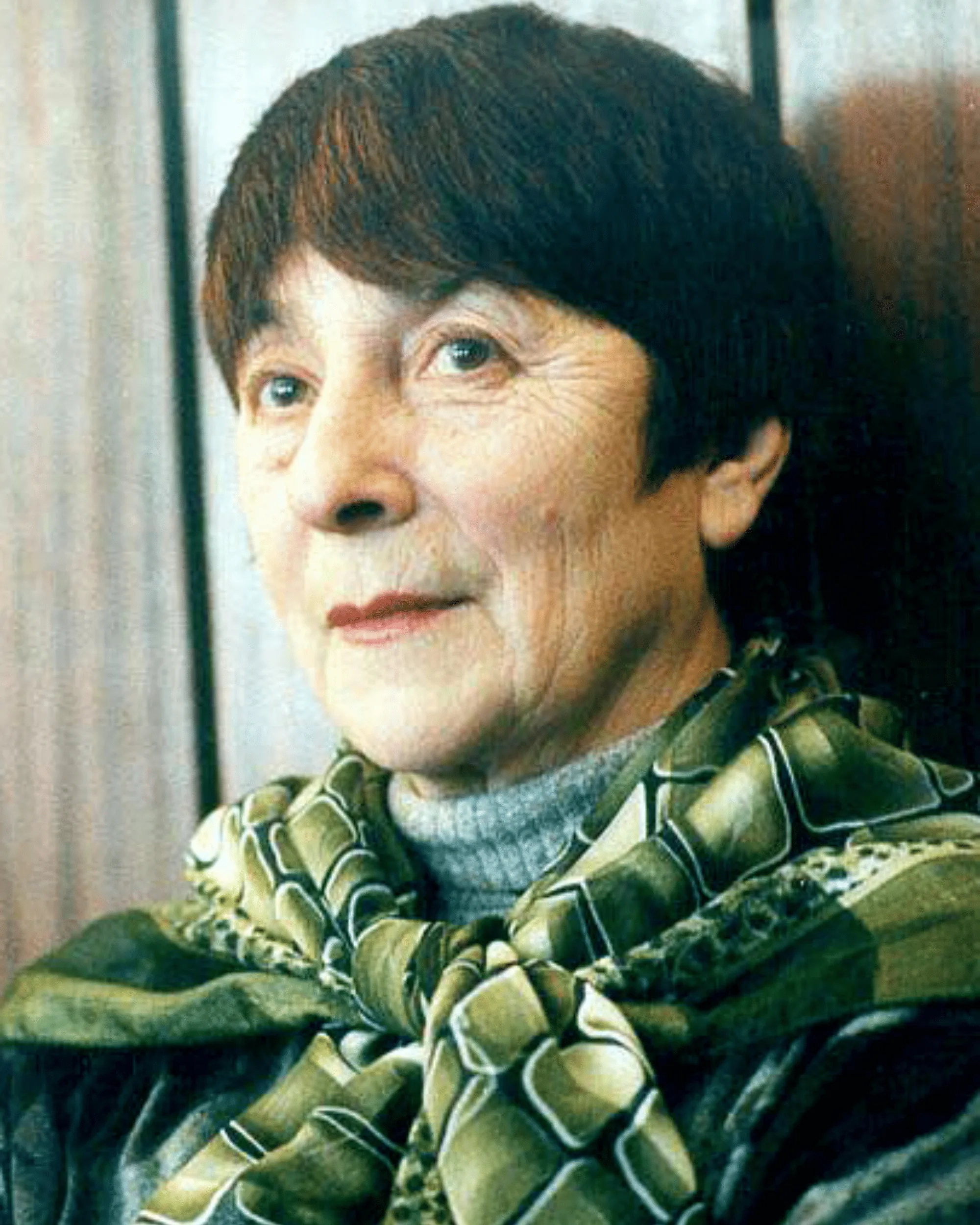
Tudorașcu Eugenia
Main achievement
Actress. People's Artist of the Republic of Moldova. Actress of the Russian Drama Theater on Trandafirilor Street. She also acted in films.
About
E. Tudoraşcu was born in 1936, in the village of Glinaia, Tiraspol district. She first graduated from the College of Construction in Bakhchysarai (Crimea), working in this field, but being in love with and passionate about acting, she changed her career path, attending the "Boris Shchukin" Theatre School in Moscow. Being of Ukrainian origin, she did not know the Romanian language and had difficulties at the beginning of her artistic career. She overcame the linguistic problem brilliantly in a relatively short time. This allowed the actress to honor roles equally in Romanian and Russian on the stages of our theaters, earning positive appreciation from the Moscow theater critics: "This actress can do anything!". This happened especially after the actress played the role of Odochia in Russian in the play staged by Veniamin Apostol after Ion Druță's play "The Mare with a Bell" (also known as "Cervus Devinus") in Russian ("Ryžaja kobyla s kolokol'čikom"). She performed on the stages of the "Luceafărul" Theater (1960-1987), "Chekhov" Theater (1987-1993), "Mihai Eminescu" National Theater (1994-2003), and recently worked as a pedagogue at the "S Ulitsey Roz" State Youth Drama Theater. The most fruitful and longest period (27 years) of her artistic career was dedicated by the actress to the "Luceafărul" Theatre during the glorious era of this formidable cultural institution, alongside the great masters D. Caraciobanu, I. Şcurea, I. Ungureanu, D. Fusu, I. Todorov, and others. E. Todoraşcu was endowed with a special talent and constantly enjoyed her admirers and the respect of her colleagues in the ensembles where she worked. … That's how Eugenia Todoraşcu always played. She didn't know, couldn't, and didn't want to play any other way. They could be tears of tenderness, of sorrow, of pain, but they could also be tears of unrestrained laughter. And no one will ever know where the actress was more in her element – in drama, in comedy, or in tragedy. – said master Gheorghe Urschi, People's Artist, renowned actor and writer, in an interview about the late Eugenia. Her roles in the plays "Wedding Day" (Niura), "The Forty-First" (Mariuta), "Cervus Devinus" (Odochia), "Memorial Prayer" (Golda), "The Golovliov Family" (Golovliova), "Crime and Punishment" (Marmeladova), "Oscar and the Lady in Pink" (The Lady in Pink), "The Tempest" (Cabaniha) remain unforgettable. She also tested her mastery in cinema, where she debuted in 1970 in the role of Lela Vera in the film Povârnișul. She played over 30 roles in national cinema: Laur-Balaur's Mother in "Făt-Frumos," by V. Ioviţă, 1977; Elena Vasilievna in "House for Serafim", 1973; Catinca in "The Bridges", 1973; Grădinaru's wife in "The Green Wave", short film, 1973; Agafia Mînzu in "Men Turn Grey Early", 1974; Capitolina in "What Man Needs", 1975; Ema Borisovna in "Nicuşor from the TV Tribe", 1975; Domnica in "No One in Your Place", 1976; Sevastiţa Guţu in "The Wrestling Match", 1977; Marga in "The Man Next to You", 1977; Carriage attendant in "Hello, I've Arrived", 1979; Catei's Mother in "Exam Preparation", 1979; "A Swan Passed on the Water" by V. Pascaru, "When a Man is Beside You" by V. Gagiu, "The Clan of Wolves" by N. Lebedev, etc. Haigal's last role was in the film "The Wolf-Dog of the Suri Hounds" in 2006.