Scurtu Corotcov Natalia
Main achievement
Doctor and political activist in Romania
About
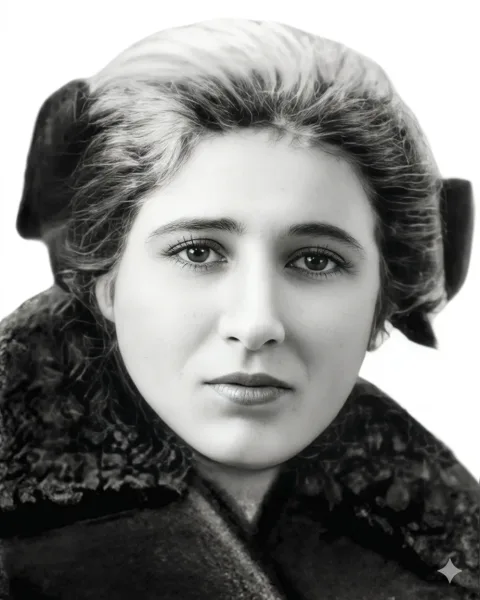
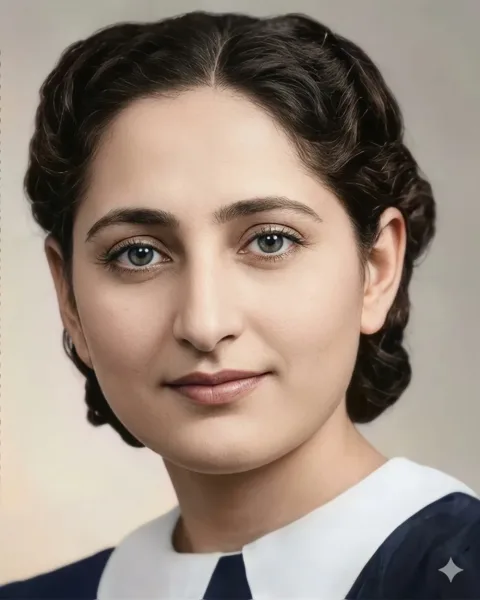
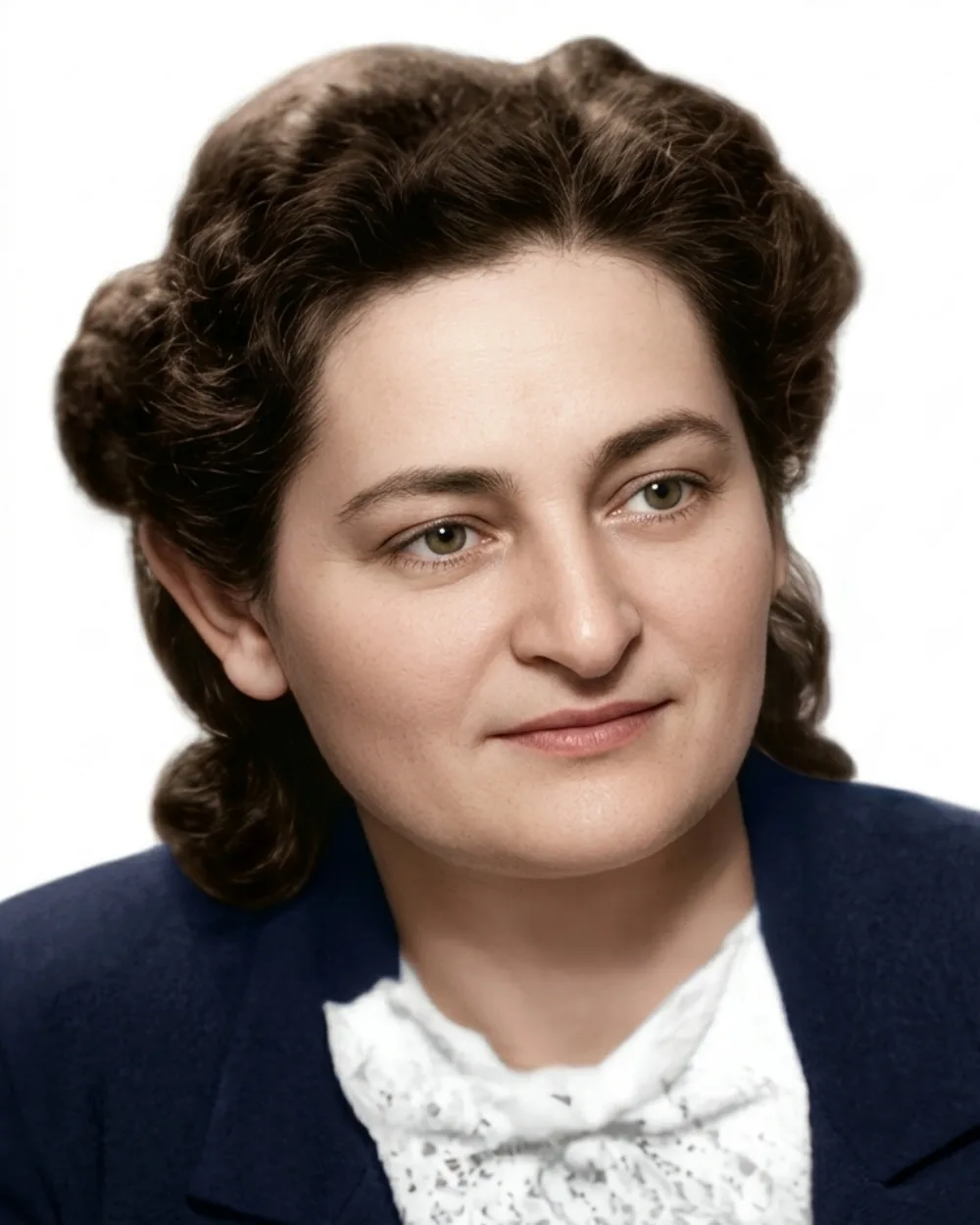
Natalia Reznik was born on October 5 (Old Style) in Chișinău in 1906 into a Jewish family. In 1928, while studying at the Faculty of Medicine of the University of Liège, she joined the Belgian Communist Party together with her sister Nadejda (Reznic) Stiers. She worked in the agitation and propaganda department of the youth department of the Communist Party of Belgium (and it was here she met her future husband, who was studying at the Polytechnic in Ghent), for which in 1929 (the year she also obtained her medical degree) she was expelled from Belgium. For approximately 6 months in 1929-1930, she worked as a doctor in Berlin. In 1930, she moved to Bucharest, where she was the editor of the underground publication Tânărul leninist (Leninist Youth) under the pseudonym Natalia Scurtu and got married in 1932. In 1933-1934, she lived in Cernăuți, worked as a doctor at the city's Jewish hospital, and together with her husband, through the Romanian Comintern, served as secretary of the regional youth committee of the Romanian Communist Party in Bukovina. In February 1934, she was briefly arrested along with her husband and associates in the "Trial of the 105 of Cernăuți". Being pregnant, she was temporarily released and settled in Soroca, with her husband's mother, Yuri Alexandrovich Korotkov (Rom. Gheorghe Corotcov; January 15, 1907, Osovice - September 19, 1941, Gura Roșie). Until 1937, she was secretary of the underground Soroca district committee of the Communist Party of Romania. In 1936, she was arrested again, sentenced by a military tribunal in Iași to 3 years in prison, served until February 1939 in Doftana and Dumbrăveni prisons (her husband had been released in December 1938). In 1939-1940, she was again, together with her husband, engaged in illegal work for the Comintern in Bucharest, while also working as a doctor at the "Iubirea de oameni" hospital. She was a member of the editorial board of the Comintern magazine "Ajutorul Roșu" (1940). Following the occupation of Bessarabia by the USSR in early July 1940, she settled with her daughter in her parents' home in Chișinău (her husband had fled to the USSR a few months earlier), where she was appointed director of the School of Feldschers and Midwives. At the beginning of the war, she was evacuated from the city with her daughter; her husband was left in the city to organize underground work and disappeared in the autumn of 1941. According to documents discovered later, Yuri Korotkov was captured by Romanian soldiers during a landing on occupied territory and shot after two days of interrogation on September 19, 1941, while attempting to escape in the area of the settlement Gura-Roșie. It should be noted that at that time Yuri Korotkov was part of the Parliament of the Moldavian SSR. In the early years of the war, she was evacuated with her daughter from Tashkent, where she worked as an intern at the Tashkent Medical Institute. Starting in 1942, she was the secretary of Anna Pauker, director of the "Free Romania" radio station under the auspices of the Comintern. In 1945, she enlisted as a doctor in the "Horia, Cloșca și Crișan" division, where she received the rank of second lieutenant and returned to Romania. In 1946, she was sent to work in the Ministry of Culture of the Socialist Republic of Romania, she was the director of the state cinematography company, the secretary of the State Committee for Cinematography. In the 1950s, she worked as a doctor at the Polizu maternity hospital in Bucharest, then as Deputy Minister of Health of the SRR.