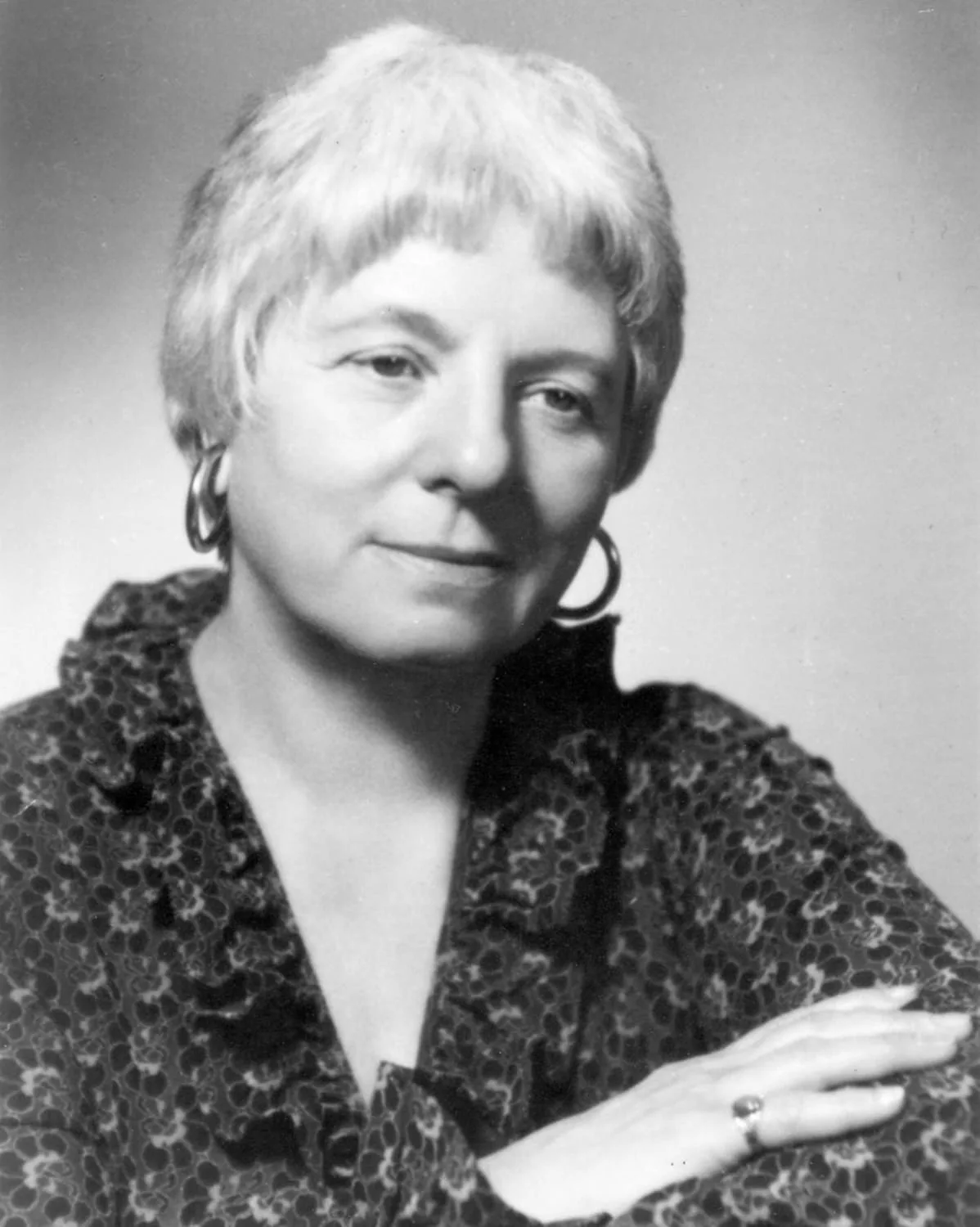
Rubin Ruth
Main achievement
Musicologist. Doctor Honoris Causa of The New England Conservatory of Music
About
Around 1935, Rubin decided to become a Yiddish folklorist and sought out Chaim Zhitlowsky (1865–1943), a prominent Yiddish scholar and writer. She began her research at the YIVO Institute for Jewish Research, the New York Public Library, and the archives of the Jewish Theological Seminary. In addition to teaching music and poetry in the city’s Yiddish schools, she also began publishing in journals. During World War II, she translated journals that were being smuggled out of European ghettos and concentration camps in Yiddish. Beginning in 1947, Rubin started conducting serious fieldwork within the Jewish immigrant community in New York, Montreal, and Toronto, focusing on displaced persons who had arrived from Europe in the aftermath of the Holocaust. Rubin’s work is considered profoundly significant because she began collecting Yiddish folk songs and folktales at a time when there was very little interest in Yiddish culture. Over the next twenty years, she collected thousands of songs from a generation of survivors who had been nearly annihilated by Nazism and, later, by Stalinist repression. In parallel with this work, Rubin continued her studies of Yiddish language and history with the scholar Max Weinreich. In addition to her work as a collector, Rubin also organized and performed Yiddish folk song recitals and hosted salons in her Grammercy Park Avenue apartment. As part of the folk music revival movement, she performed at New York City Hall and Carnegie Recital Hall, participated in Expo 67, and appeared in folk concerts alongside Pete Seeger, Paul Robeson, and Ronnie Gilbert. She was also heavily involved in the Jewish Music Forum and the National Jewish Music Council, and fostered international academic relationships with folklorists in Israel and Europe.