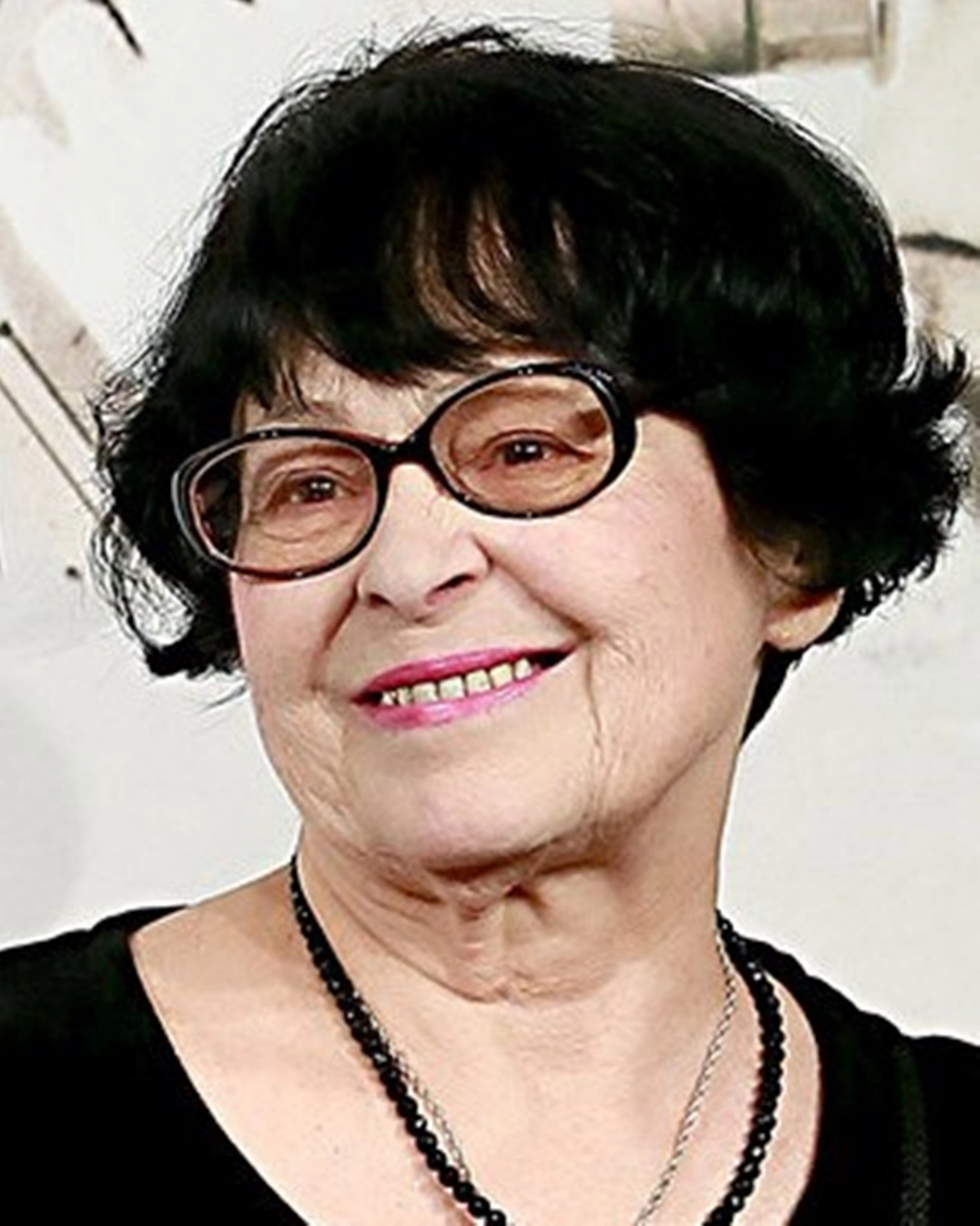
Muratova Kira
Main achievement
Director. People's Artist of Ukraine. Member of the Academy of Motion Picture Arts and Sciences (Academy Award).
About
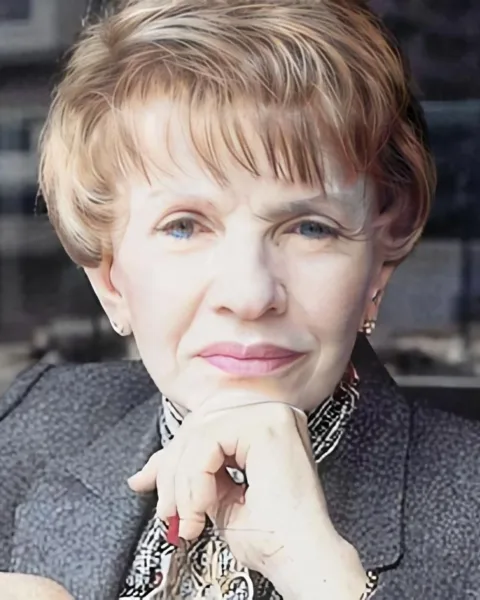
Kira Muratova was born on November 5, 1934, in Soroca, then part of the Kingdom of Romania, and passed away on June 6, 2018, in Odesa, Ukraine. Born Kira Georgievna Korotkova into a family of communists – her father was a secretary of the Romanian Communist Party, and her mother, of Jewish origin, was a gynecologist – she initially studied philology at Moscow State University. In 1954, she enrolled at VGIK, the prestigious Soviet film institute, where she studied directing under the guidance of master Sergei Gerasimov, graduating in 1959. She began her career at the Odesa film studio, where she lived and created most of her cinematic work. The career of director Kira Muratova was marked by conflicts with Soviet censorship and unusual creativity that profoundly influenced late 20th-century cinema. Together with her first husband, director Aleksandr Muratov, she made her first films between 1958 and 1964, including the feature film "Our Honest Bread." Her subsequent films, such as "Brief Encounters" (1967) and "The Long Goodbye" (1971), were subject to censorship and were withdrawn from screens for many years. After a period of transfer to Leningrad and working as a librarian, Muratova returned to filmmaking after perestroika, creating acclaimed works such as "The Asthenic Syndrome" (1989), which won the Silver Bear at Berlinale, and "The Tuner" (2004), which became an international sensation. Her long-time collaborator was the painter and designer Yevgeny Golubenco, her second husband, who co-authored the screenplays for several films. The recognition of her prestigious career came gradually, but it was overwhelming: Muratova received the title of People's Artist of the Ukrainian Soviet Socialist Republic in 1990, and in 1993 she won the Taras Shevchenko National Prize of Ukraine. In 1997 she was appointed academician of the National Academy of Arts of Ukraine, and in 2002 she received the Aleksandr Dovzhenko State Prize. Her films were presented at major international festivals in Berlin, Venice, Locarno, and other cinematic capitals, and her retrospectives were organized at Lincoln Center in New York and other prestigious institutions. Although she changed three citizenships – Romanian, Soviet, and Ukrainian – Muratova considered Ukraine to be the center of her life and actively supported the Ukrainian people in the face of external aggression.