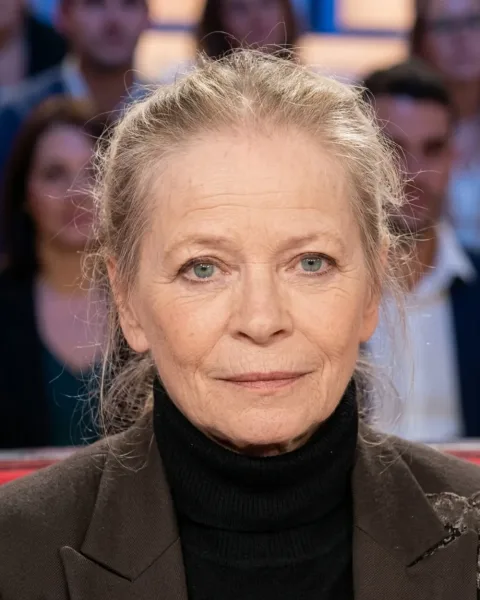
Imber Sofia
Main achievement
Journalist. Founder of the Museo de Arte Contemporáneo de Caracas (MACC - 23,000 square meters), of which she was director for over 30 years.
About
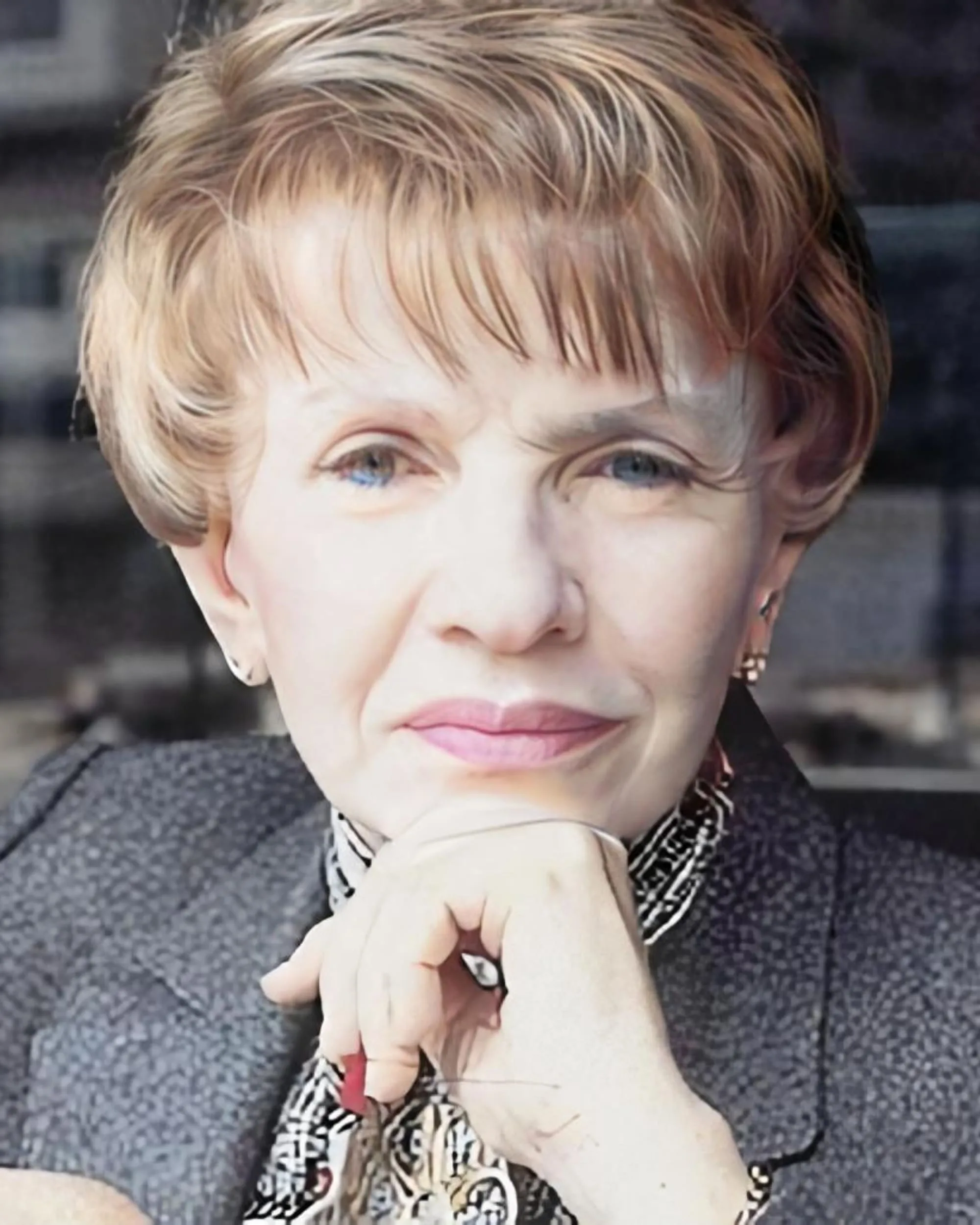
Sofía Ímber, born on May 8, 1924, in Soroca, Moldova (then part of Romania), emigrated to Venezuela in 1930 with her family, seeking a better life. She studied medicine for three years at the University of the Andes but quickly dedicated herself to journalism and the promotion of art, publishing articles in newspapers and magazines in Venezuela, Colombia, Argentina, and Mexico. In 1973, she founded the Museo de Arte Contemporáneo de Caracas (MACCSI), transforming it from a common garage into a benchmark institution with over 4,000 works by Picasso, Matisse, Botero, and Venezuelan artists such as Jesús Soto or Alejandro Otero, becoming the most important collection of contemporary art in Latin America. She led the museum for almost 30 years, introducing innovative programs such as artistic buses for communities and accessible catalogs for the visually impaired, and was dismissed in 2001 by President Hugo Chávez. Together with her first husband, writer Guillermo Meneses, whom she met in 1944, she created the magazine CAL (Crítica, Arte y Literatura) in the 1960s, an avant-garde space that promoted artistic and philosophical modernism in Latin America. She produced iconic TV programs such as "Buenos Días" (1969-1993, alongside her second husband, journalist Carlos Rangel) and "Sólo con Sofía," interviewing world personalities like Jimmy Carter or Gabriel García Márquez. She was the first woman to win Venezuela's National Journalism Award (1971), received the Picasso Medal from UNESCO (1967), the National Plastic Arts Award, and other international distinctions such as the Legion of Honor or the Order of the Aztec Eagle. She collaborated with the International Association of Art Critics and was a member of the boards of museums in Caracas. From her marriage to Guillermo Meneses, four children resulted: Sara, Adriana, Daniela, and Pedro Guillermo, with whom she traveled to Europe, where she cultivated connections with artists such as Vasarely and Picasso. Her personal life reflected a commitment to freedom and democracy, manifested through her opposition to totalitarian regimes and her support for dissidents. Until her death in 2017, at the age of 92, in Caracas, Sofía Ímber remained a symbol of Venezuelan culture, promoting art as accessible to all and leaving a legacy that transcends borders, inspiring generations in the context of contemporary Latin American art.