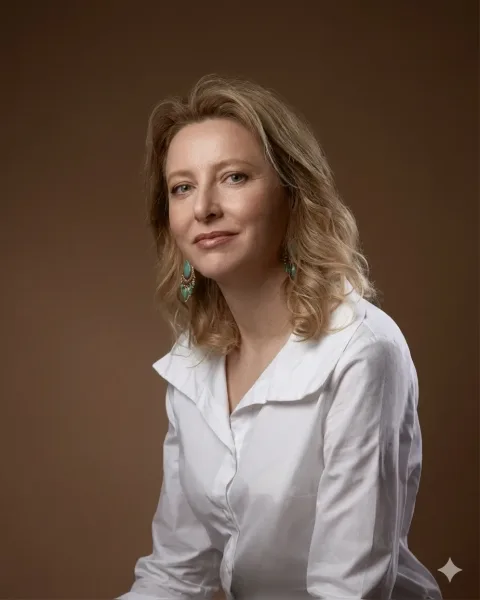
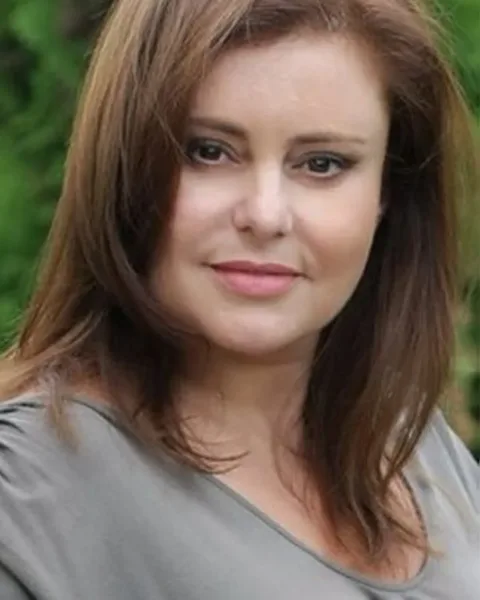
Bodiul Natalia
Main achievement
Director of animated films. Known for the 1981 production Maria, Mirabela
About
Natalia Bodiul, born on July 14, 1949, in Chișinău, is a remarkable animated film director, painter, and set designer from the Republic of Moldova. She graduated from Secondary School No. 37 in Chișinău, and then the Faculty of Painting (animation) and the Faculty of Directing at the State Institute of Cinematography in Moscow (VGIK), where she studied under the guidance of master Ivan Ivanov-Vano. Her cinematic career began at the Moldova-Film studio, where she debuted as a production designer for the film 'Sunday in the Suburbs' (1969), then directed and wrote scripts for successful productions such as 'The Melody' (1973), 'The Stairs' (1974), 'Elegy' (1975), 'The Old Man and the Cat' (1977), and was co-director of the famous 'Maria, Mirabela' (1981) alongside Ion Popescu-Gopo. These works brought her awards at Soviet festivals, including the Debut Diploma in Baku (1974) and the Second Prize in Kyiv (1975), establishing her as the leader of the animation section of the Union of Cinematographers of Moldova. Her activity extended beyond cinema, collaborating with cultural institutions such as the 'A. Pushkin' Theatre in Leningrad, where she was a set designer for the play 'The Birds of Our Youth' alongside Ion Druță and Eugen Doga, and the 'Luceafărul' Theatre in Chișinău. At Moldova-Film, she introduced innovations through camera-less animation techniques, and later directed the documentary 'The Road of Life' (2010), based on her father's autobiography, which illustrated the cultural and social life of Soviet Moldova. Awarded the golden Honorary Badge 'Antioh Cantemir' in 2009, Natalia Bodiul contributed significantly to the promotion of Moldovan animation, participating in international festivals and leaving behind a legacy of films that combine visual art with music and poetry. The daughter of Ivan Bodiul, former First Secretary of the Communist Party of the Moldavian SSR for 22 years, Natalia comes from an influential family and has a sister, Svetlana, who is an organist. Although she later moved to Italy (1995) or Moscow, maintaining links with the Republic of Moldova through cultural projects and pro-Russian positions, her personal life remains discreet, centered on artistic creation. She has publicly emphasized the importance of the Soviet era for the flourishing of Moldovan culture, advocating for the preservation of the cinematic heritage of Moldova-Film, a studio founded in 1952 that produced dozens of films annually during its peak period.