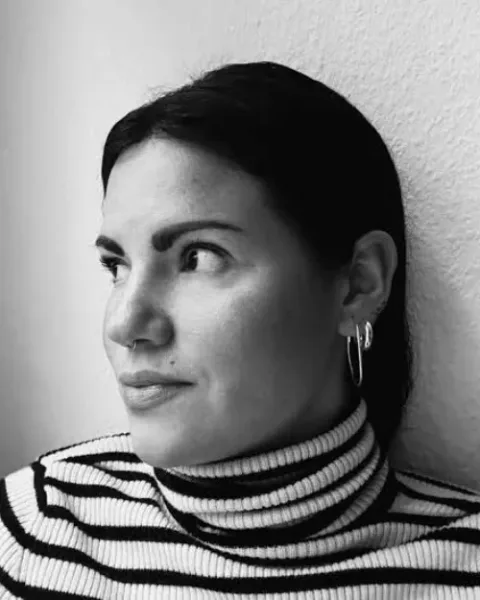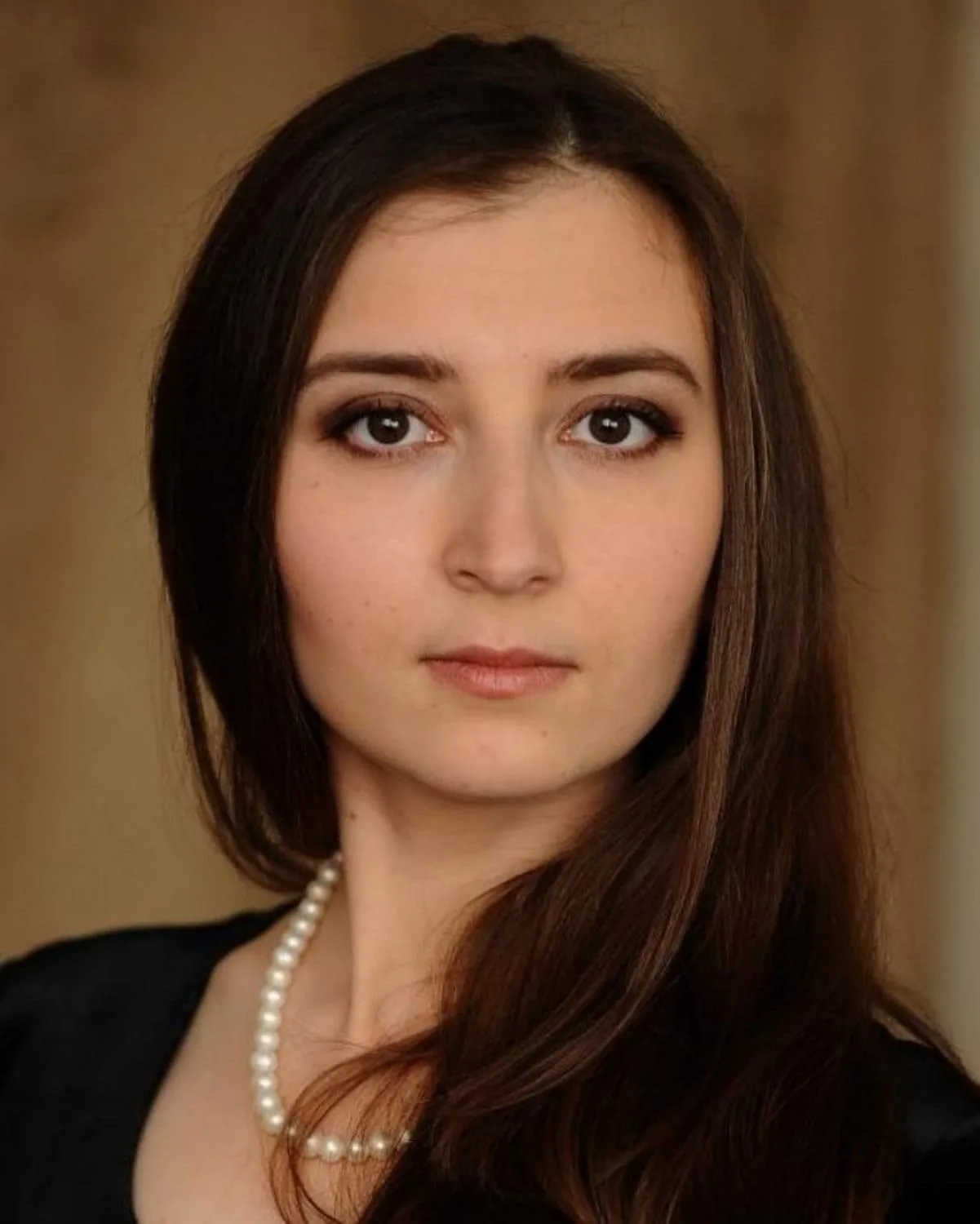
Baranov Ecaterina
Main achievement
Pianist. Honor Prize of the “Leopold Bellan” Piano Competition 2013, France.
About
Ecaterina Baranov, born in February 1982 in Chișinău, is a remarkable pianist from the Republic of Moldova. She has been settled in France for over a decade, where she consolidated her career through advanced studies at the École Normale de Musique in Paris, obtaining diplomas with the jury's congratulations. A graduate of the Academy of Music, Theatre and Fine Arts in Chișinău, where she studied under professors such as Victor Levinzon, Aliona Feldman, and Anatolie Lapicus, she received a French government scholarship to perfect her pianistic art under the guidance of Guigla Katsarava and Dévy Erlih. Her recitals have resonated in prestigious festivals such as Les Nuits Pianistiques, Piano en Saintonge, or Les Harmonies du Printemps, and her collaborations with the Orchestra of the National Philharmonic of Moldova, under conductors like Dante Milozzi or Vladimir Andries, have brought her recognitions such as the silver medal of the Arts-Sciences-Lettres association and the medal of the city of Artenay. An essential part of her achievements consists of innovative projects to rediscover Bessarabian classical music, initiated in France and brought back home through the musical-historical ARC festival and the tour “Lelița Franța joacă sârba moldovenească” (Auntie France dances the Moldovan sârba). These initiatives involved volunteer French musicians in concerts throughout Moldovan villages such as Palanca, Hâncești, or Orhei, performing forgotten works by composers Ștefan Neaga, Alexei Stârcea, Arcadie Luxemburg, or Boris Dubosarskii, collected from precarious archives and digitized for preservation. Collaborations with institutions such as the National Philharmonic in Chișinău, the Union of Composers, and the George Gershwin Conservatory in France promoted rare scores, bringing Moldovan academic music to European stages and revitalizing the cultural heritage in a context marked by migration and oblivion. Established in France, where the piano has become the guiding thread of her life, Ecaterina Baranov combines professional rigor with a deep attachment to her Moldovan roots, returning periodically for concerts and masterclasses that inspire young artists. Although the artistic context in Moldova, marked by a lack of support and a stable audience, led her to emigrate, she sees in the diaspora a potential for change through cultural exchanges and voluntary involvement. Her personal life, marked by sacrifices for art and homesickness, illustrates the resilience of Moldovan women who, through talent and initiative, build bridges between tradition and European modernity.