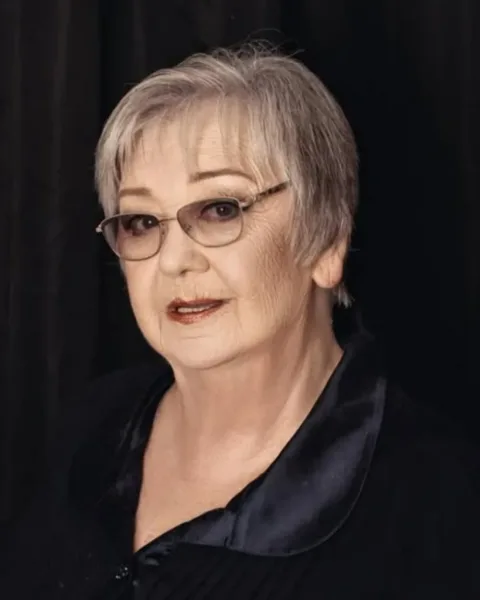
Axionova Lidia
Main achievement
Teacher and choirmaster
About
Lidia Axionova (1923-2019) was a Moldovan conductor, pedagogue, and music theorist of international repute. Born in Pokrovsk, Russia, she trained at the State Music Academy of Belarus, studying symphonic and choral conducting under renowned professors. After graduating in 1952, she settled in Chisinau, where she worked for over seven decades as a professor and conductor at the State Conservatory (later the Academy of Music, Theatre, and Fine Arts), becoming the first woman in the Republic of Moldova to lead a symphony orchestra and the first university professor of choral conducting in the country. His contribution to the development of Moldovan choral art was extraordinary. Axionova led the choral conducting department, the orchestra of the A.P. Chekhov Russian Drama Theater, the conservatory choir, and prepared numerous operatic performances. Between 1964 and 1979, he initiated and led the choir of the E. Coca Special Music School, with a repertoire of approximately 200 works by Russian and foreign classics, as well as avant-garde music. He initiated the National Song Festival, conducting children's choirs that grew from 700 to 10,000 members, and through this activity inspired numerous Moldovan composers to create for children. Throughout his career, he trained over 350 specialists, many of whom became prominent figures in Moldovan art and worked successfully in countries around the world. The recognition of her prestige came through numerous distinctions and honors. Axionova was the first in the Republic of Moldova to receive the academic title of university professor in the specialty of choral conducting from the Supreme Attestation Commission. She was awarded the title of Merited Artist of the Moldavian SSR, and later the Order of Honor and the Order of Labor Glory. In addition to her teaching and conducting activities, she authored textbooks, repertoire guides, and study programs for higher and secondary music institutions, and her numerous articles and essays contributed to the musicological literature in Moldova and the USSR. The choral conducting school she created remains known beyond Moldova's borders, passing down her unmistakable principles and methods from generation to generation.