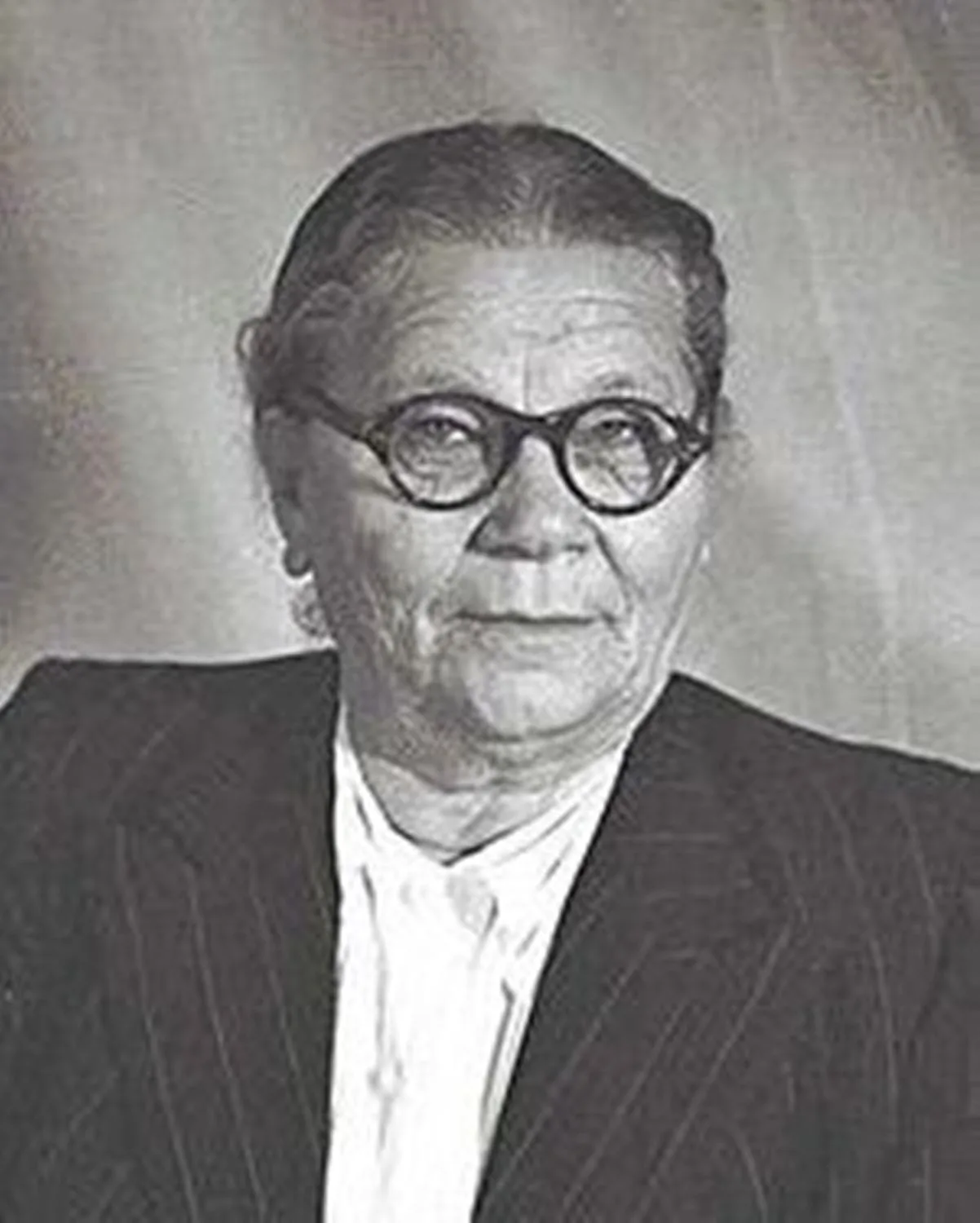
Maimon Ada
Main achievement
Israeli politician. Leader of the women's movement in Palestine. Member of the Knesset in the 1st and 2nd Legislatures
About
Ada Maimon, born Ada Fishman on October 8, 1893, in the village of Mărculești in Bessarabia (present-day Republic of Moldova), was an emblematic figure of the feminist and socialist movement in Israel, active in administration and politics. A teacher by profession, she emigrated to Ottoman Palestine in 1912, becoming a member of the Hapoel HaTzair party in 1913 and participating in the founding of the Working Women's Movement in 1921, where she served as general secretary until 1926. Her career includes key roles in Histadrut, such as a member of the executive committee and head of the Aliyah Department between 1946-1947, culminating in her election as a Member of Knesset for the first two terms of the Knesset (1949-1955) on behalf of the Mapai party, where she promoted laws for women's equality, including the minimum age for marriage and the prohibition of bigamy. She collaborated with major organizations such as Histadrut, WIZO (Women's International Zionist Organization), and the Jewish National Fund, founding the Ayanot agricultural training farm near Ness Ziona in 1932, a center dedicated to training women in agriculture and industry. As a historian of Jewish feminism, Maimon fought for the economic and civil rights of pioneer women, organizing international conferences and visiting refugee camps for Holocaust survivors. Her administrative work also included roles in the Assembly of Representatives during the British Mandate period, marking a consistent commitment to Israeli union and political structures. Born into the family of Rabbi Avraham Elimelekh Fishman, the ninth of nine children, Ada Maimon changed her surname in 1949 to reflect her descent from the renowned Rambam. The sister of Rabbi Yehuda Leib Maimon, a signatory of Israel's Declaration of Independence and a minister, she led a life dedicated to religious and socialist values, renouncing much of her salary as a Member of Knesset and promoting spiritual modesty. She died on October 10, 1973, in Israel, leaving a legacy of activism for gender equality in Jewish society and religion.