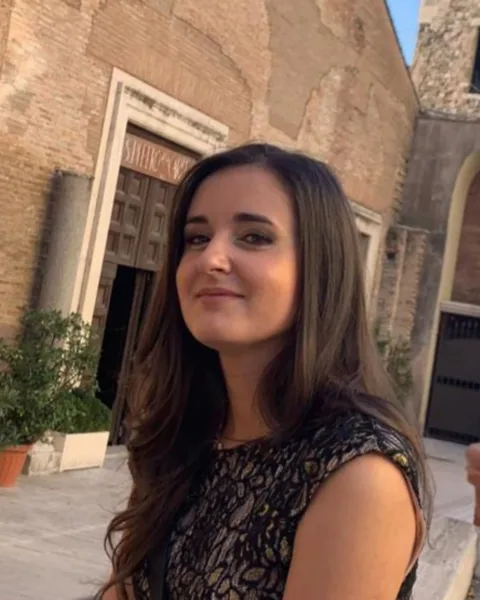
Hamureac Corina
Main achievement
The creator of the Coreli brand opened Bucharest Fashion Week in 2021
About
Corina Hamureac is a remarkable fashion designer from the Republic of Moldova, founder of the Coreli brand, recognized for her ability to transform traditional cultural heritage into high-end contemporary creations. Among her outstanding achievements is the presentation of the "Legend of Moldova" collection at Emirates Fashion Week in Dubai, the first premiere of a Moldovan brand on this prestigious international stage, where 12 wedding dresses inspired by the traditional Moldovan towel, hand-woven by her grandmother, were showcased. Other emblematic collections include "Origins," dedicated to the Geto-Dacian woman, with over 100 pieces made of fur, leather, and natural fabrics, exploring historical motifs from Cucuteni culture to the Dacians, and presentations at Bucharest Fashion Week, where she opened the event with traditional swimwear. Her career is marked by collaborations with renowned European institutions and events, promoting Moldovan and Romanian identity on international stages such as the Theatre of Digital Arts in Dubai, Moldova Fashion Days in Chisinau, or festivals in Odesa and other European cities. Her collections, such as "Măiastra," inspired by Constantin Brâncuși – appreciated by the Romanian Cultural Institute in Paris – or reinterpretations of Geto-Dacian folk costumes, have been applauded for their ability to blend tradition with modernity, emphasizing symbols such as the Dacian wolf, the Moldovan towel, or ancient jewelry. Primarily active in Romania, where she develops extensive projects, Corina has transformed fashion into a tool for awakening national consciousness, often stating that on international runways, "I call myself Moldova." Corina Hamureac's personal life is deeply intertwined with her family heritage, with elements woven by her grandmother's hands forming the cornerstone of her creations, evoking the role of Moldavian women in past centuries. Inspired by Romanian literature, such as Liviu Rebreanu's "Ciuleandra," and by legendary voices like Maria Tănase, the designer sees each piece not just as clothing, but as a "document" of cultural identity. Passionate about ethnogenesis and history, she builds a bridge between the past and the present, valuing the role of Dacian women – warriors and custodians of traditions – in a career that celebrates indigenous female resilience and beauty.