Feinburn Naomi
Main achievement
Botanist. Hebrew University of Jerusalem. Described over 100 plants from the Near East. Awarded the State of Israel Prize.
About
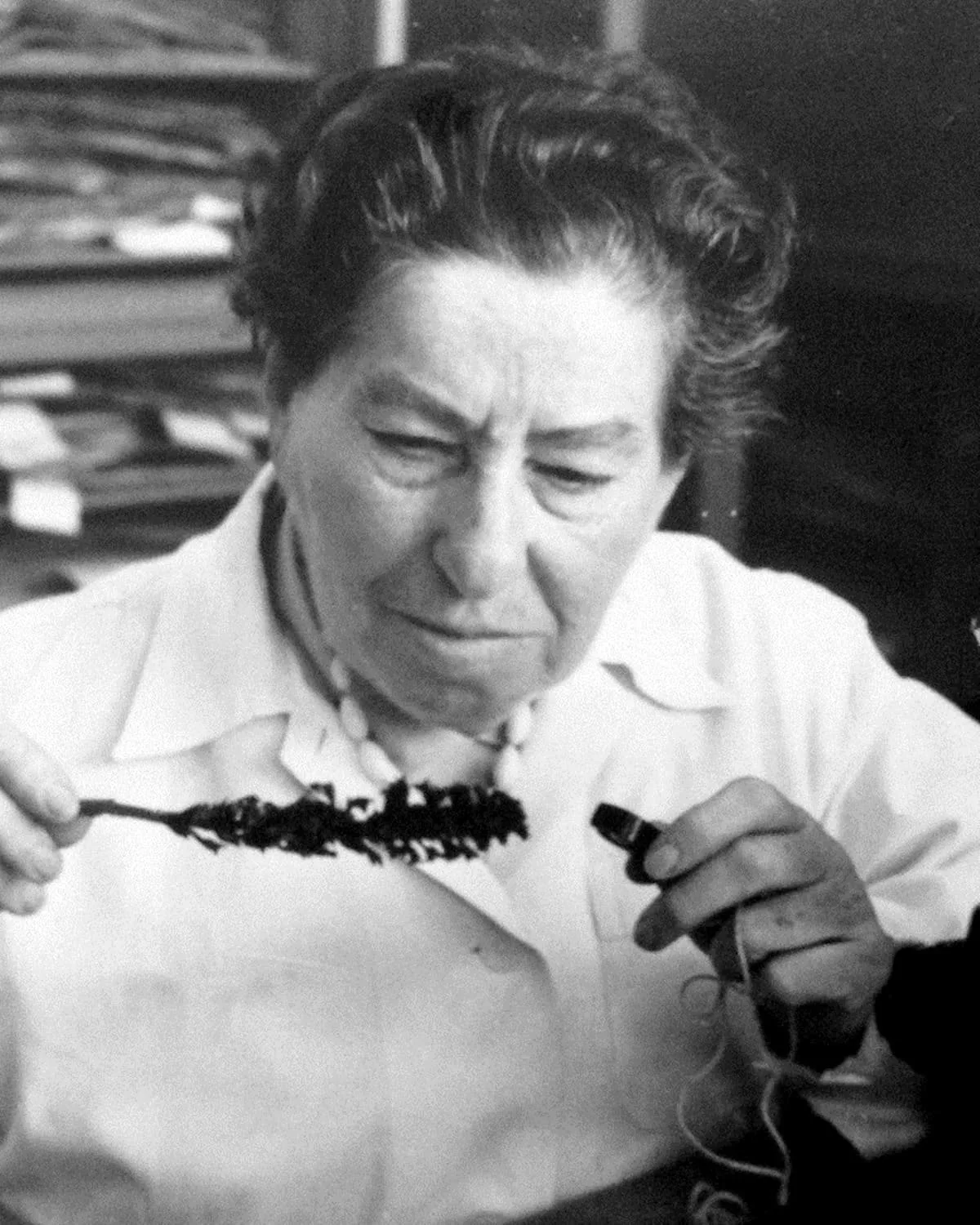
Naomi Feinbrun-Dothan was born in Moscow in 1900 and grew up in Chișinău, Bessarabia, in a Zionist family belonging to the Hovevei Zion movement. After graduating in botany from the University of Cluj in 1923, she worked as a natural sciences teacher until 1924, when the entire family immigrated to Palestine. In 1925, on a field trip to Mount Tabor, she met botanist Alexander Eig, who became her mentor and collaborator for decades, inspiring her to dedicate herself to scientific research. At the Hebrew University of Jerusalem, where she joined in 1929, Feinbrun-Dothan became one of the first women in academic positions, at a time when women's scientific careers were extremely rare. Alongside Eig and Michael Zohary, she contributed to organizing the plant collections that formed the basis of the university's herbarium and published in 1931 the first analytical flora book written entirely in Hebrew. She taught genetics and cell biology, being the only genetics professor at the university until 1950. After obtaining her doctorate in 1938, with a monograph on the genus Bellevalia, she published numerous studies on the cytotaxonomy of plant species from the Middle East, and in 1960 she was promoted to associate professor. Feinbrun-Dothan remained active in research until an advanced age, publishing the volumes of Flora Palaestina between 1966 and 1986 and collaborating on a new edition of the analytical flora book in 1991. For her outstanding contributions to the study of Israeli flora, she received the OPTIMA gold medal in 1986 and the Israel Prize in 1991, the highest level of national recognition. She passed away on March 8, 1995, at the age of 94, and her memory was honored by naming several plant species in her honor, including Astragalus feinbruniae, Bellevalia feinbruniae, and Colchicum feinbruniae.