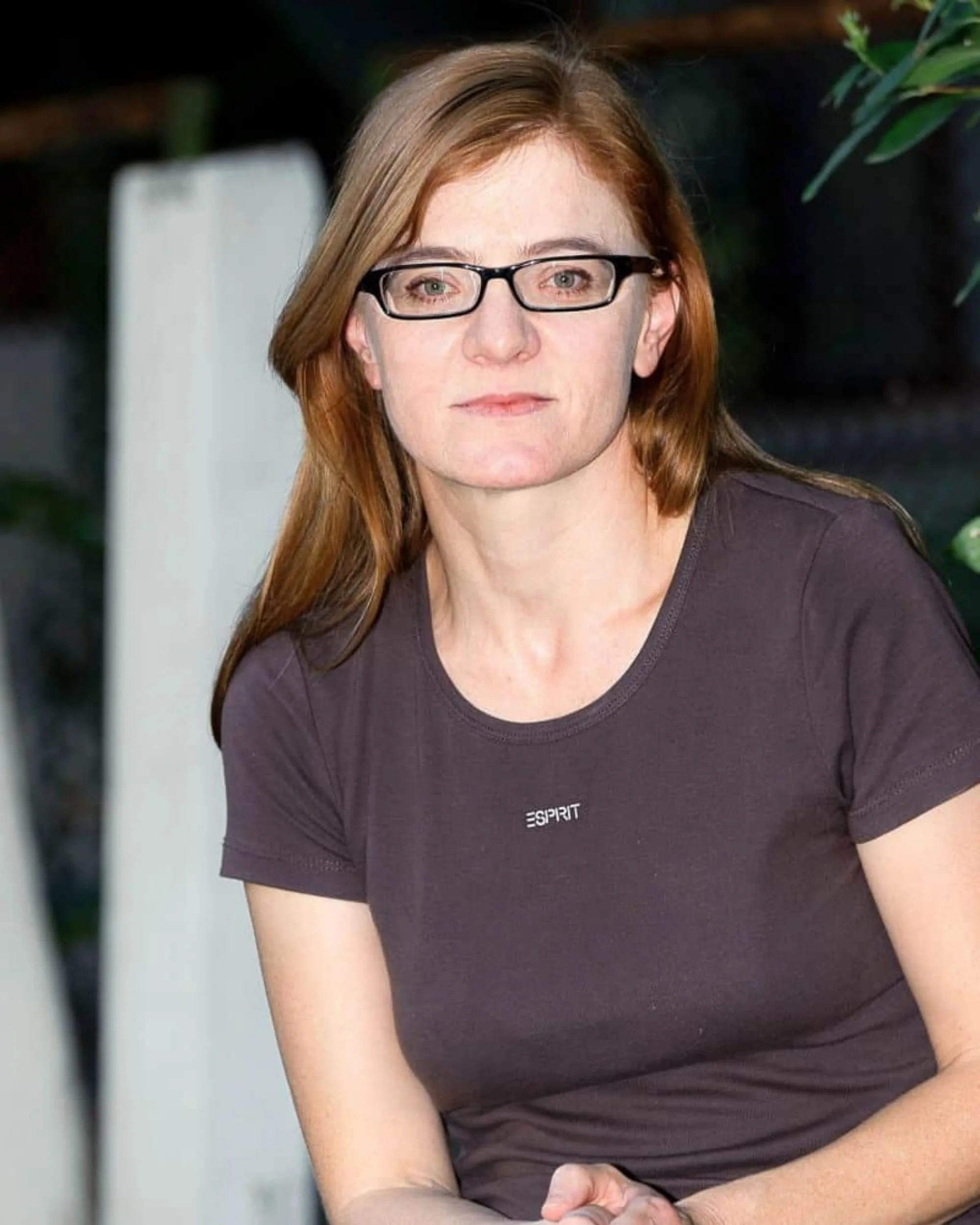
Carauș Tamara
Main achievement
Research Fellow at the University of Oxford
About
Tamara Cărăuș is an outstanding researcher in political philosophy and cosmopolitanism, originally from the Republic of Moldova, with an impressive academic career marked by higher education in philology, philosophy, and political sciences at the State University of Moldova, SNSPA, and the University of Bucharest, where she obtained her PhD magna cum laude in 2001. She has published essential volumes such as "tzara mea" (2000), "Efectul Menard" (2003), "Capcanele identității" (2011), and has coordinated collective works at prestigious publishing houses like Routledge, exploring themes such as national identity, migration resistance, and agonistic cosmopolitanism. Awarded the Writers' Union of Moldova Debut Prize, the National Youth Prize, and the Romanian Cultural Institute Prize, her contributions have appeared in international journals and influenced debates on Bessarabian identity in a European context. She has collaborated with renowned academic institutions in Europe, including the New Europe College and the Department of Literary Theory in Bucharest, the University of Oxford, Uppsala (Sweden), Groningen (Netherlands), Palacký (Czech Republic), Rijeka (Croatia), the Institut für die Wissenschaften vom Menschen in Vienna, and the Polish Academy of Sciences. Currently, she works as a Principal Investigator at the Philosophy Centre of the University of Lisbon, under a grant from the Portuguese Foundation for Science and Technology (FCT), focusing on continental philosophy, critical theory, and Marx. Although the query mentions the USA as the main location of her educational activity, public information indicates a predominantly European presence, with possible transatlantic collaborations through her global research network in the field of advanced philosophical education. Born in 1972 in Chișinău, Tamara Cărăuș grew up in the context of post-Soviet transformations, exploring in her writings the dilemmas of a Bessarabian generation torn between Romanian and European identity, as well as the need for state functionality learned through civic education. Her personal life, marked by academic migration and the adoption of a cosmopolitan identity, reflects the values of the national liberation movement of the 1990s, which she links to European ideals. Through essays and interviews, she emphasizes the importance of empowerment through knowledge, positioning herself as a role model for Moldovan women in education and culture.