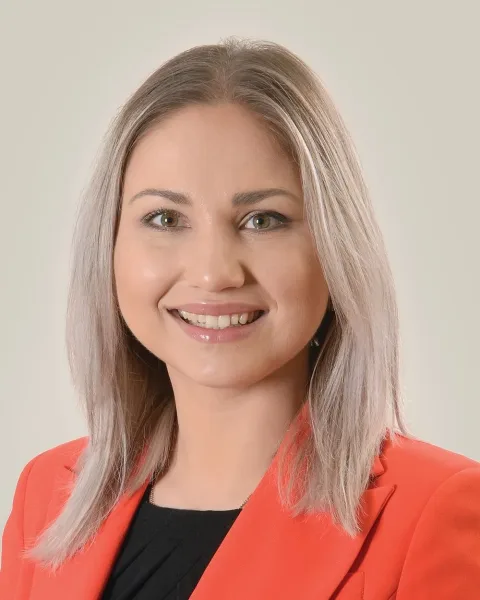
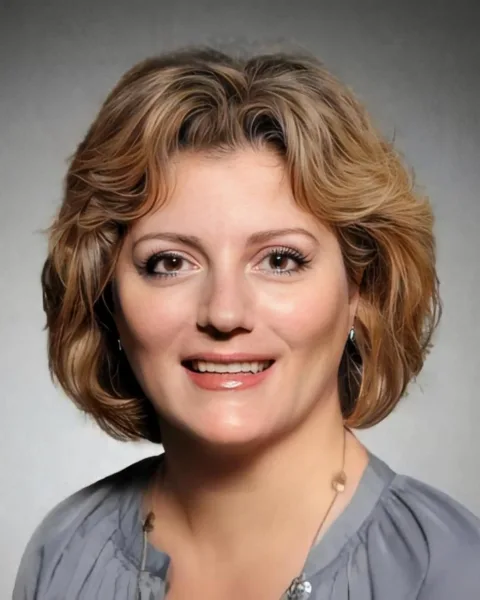
Cojocaru Felicia
Main achievement
Director at the Center of Expertise for Sustainable Development CESD
About
Felicia Cojocaru is a remarkable specialist in public policies and sustainable development, with a career of over 18 years in national and international public administration. Currently, she holds the position of director of the Center of Expertise for Sustainable Development (CESD) in Strasbourg, France, after extensive experience at the Council of Europe, where she managed key projects in education, local democracy, and European integration, such as "Academy for Democratic Leadership for Persons with a Refugee Background" and "Free to Speak, Safe to Learn". Educated at the Institute d'Etudes Politiques in Strasbourg, with a doctorate in comparative law and a master's degree in public policies, she has contributed to decentralization reforms and European funding programs, demonstrating expertise in project management and policy evaluation. Her career includes high-responsibility positions in the Republic of Moldova, where she worked at the State Chancellery and the Ministry of Local Public Administration, coordinating policies on decentralization, regional development, and international relations. She represented Moldova at the European Committee on Local and Regional Democracy of the Council of Europe, as well as within the Congress of Local and Regional Authorities, developing cooperation programs for countries such as Azerbaijan and the Russian Federation. Her extensive collaborations with NGOs, embassies, donors, and European institutions highlight her commitment to effective governance and democracy, particularly in the field of public administration and EU funding. Although information about Felicia Cojocaru's personal life is not publicly detailed, her professional journey reflects a deep dedication to the international field, marked by adaptability and autonomy. Active in the Strasbourg region, she continues to influence sustainability policies, leveraging her knowledge of international relations, foreign languages such as French, English, and Russian, and principles of European public management, contributing to the promotion of women leaders in transnational contexts.